
Logged in as
OMS Generation 5 Burst Mode
What is Burst Mode?
Burst Mode is a communication mode within the OMS LPWAN standard, specifically developed for energy-efficient smart metering applications. By using short, bundled transmission intervals—known as “bursts”—Burst Mode ensures long battery life and highly reliable data transmission, even in challenging environments.
Key Features of Burst Mode
- Ultra Energy Efficient
Perfectly suited for battery-powered devices that require long operational lifetime. - Reliable Indoor Range
Offers robust transmission performance in buildings and areas with high signal attenuation.
- Bidirectional Communication
Supports both remote meter reading and device control capabilities.
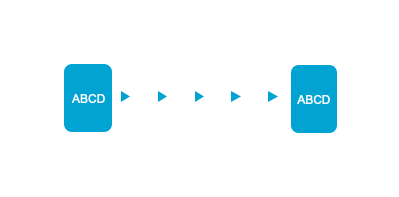
Customers benefit with Burst Mode from a streamlined, energy-saving, and fully integrable smart metering setup.
Benefits of Burst Mode for Smart Metering
-
Optimal Energy Efficiency
The use of short, bundled transmissions significantly reduces energy consumption, extending meter battery life.
-
Easy Implementation
Backward compatibility with Wireless M-Bus ensures simple integration without major infrastructure changes.
-
Reliable Indoor Transmission
Designed to perform well in complex indoor environments with strong signal barriers.
- Two-Way Communication
Enables not just data collection but also control functions for smart applications.
Application Areas for Burst Mode
- Smart Metering for electricity, gas, water, and heat meters
- Data transmission within existing wireless M-Bus networks
- Optimized communication for smart building technologies
- Use in shielded environments with high signal attenuation
Comparison: Burst Mode vs. Splitting Mode
|
Feature |
Burst Mode |
Splitting Mode |
|
Transmission Type |
Short, bundled bursts |
Small data packets distributed over time and frequency |
|
Energy Consumption |
Very low |
Higher |
|
Range |
Medium (ideal for buildings) |
Very high (suitable for complex environments) |
|
Interference Resistance |
Lower |
Higher (very robust) |
|
Data Volume |
Limited, low |
Capable of handling larger, complex data sets |
|
Applications |
Smart Metering in buildings |
IoT, Industry 4.0, and advanced applications |
Learn more about Splitting Mode
When is Burst Mode the Right Choice?
Burst Mode is ideal for applications that require minimal power consumption and straightforward integration into existing smart metering infrastructures. Especially in indoor environments or areas with significant signal shielding, this mode delivers reliable and energy-efficient communication.
FAQ - Burst Mode
What is Burst Mode and how does it work?
Burst Mode is an energy-efficient transmission mode within the OMS LPWAN standard. It sends metering data in short, bundled bursts to maximize battery life.
What advantages does Burst Mode offer compared to other transmission methods?
Burst Splitting Mode stands out with its ultra-low energy consumption, strong performance in buildings, and seamless integration into existing wireless M-Bus systems.
Is Burst Mode compatible with current smart metering systems?
Yes, Burst Mode is backward compatible with wireless M-Bus and can be integrated into existing infrastructures with minimal effort.
How does Burst Mode differ from Splitting Mode?
Burst Mode is optimized for low power and reliable building radio coverage, while Splitting Mode supports larger data volumes over longer distances.
What types of applications are best suited for Burst Mode?
Burst Mode is primarily used for smart metering applications in buildings—for example, the automated remote reading of electricity, gas, and water meters.