
Logged in as
OMS Generation 5 Splitting Mode
What is Splitting Mode?
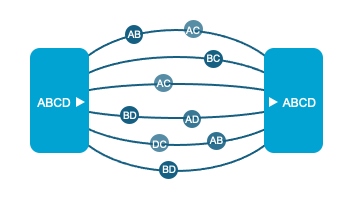
Splitting Mode is a transmission mode within the OMS LPWAN standard, designed specifically for demanding IoT and industrial use cases. Based on the patented Telegram Splitting technology (mioty®), Splitting Mode ensures reliable and interference-resistant data transmission over long distances—even in environments with high levels of radio interference.
Key Features of Splitting Mode
- Telegram Splitting Technology
Data is divided into small telegrams and transmitted asynchronously across different times and frequencies, resulting in highly robust communication.
- Extended Range
Enables stable and reliable data transmission across large distances.
- Bidirectional Communication
Supports both remote meter readings and device control or management functions.
- High Data Capacity
Well-suited for complex, data-intensive applications.
Advantages of Splitting Mode
- High Robustness and Interference Resistance
The telegram splitting method minimizes data loss—even in densely occupied radio environments.
- Long Range and Scalability
Perfect for building large-scale IoT networks or Smart City projects.
- Flexible Integration
Seamless compatibility with complex IoT ecosystems through the open ETSI standard TS 103 357.
- Reliable Bidirectional Communication
Enables advanced remote control and detailed device analytics.
Challenges and Limitations of Splitting Mode
- Higher Energy Consumption
Compared to Burst Mode, the more complex split technology results in slightly reduced battery life.
- Implementation Complexity
The technical sophistication of telegram splitting requires more effort for integration and deployment.
Technical Background: OMS 5 Splitting Mode vs. mioty®
While OMS 5 Splitting Mode is based on mioty® technology, there are important distinctions:
- OMS 5 Splitting Mode: A standardized communication method tailored specifically for smart metering applications, focusing on interoperability, reliability, and robustness.
- mioty®: A patented LPWAN technology with broader applicability across Industry 4.0, logistics, and Smart Cities—offering exceptional interference resistance and scalability.

Functionality of mioty®: Meters and sensors transmit data via telegram-splitting technology securely through gateways to the central application software – ideal for IoT and Smart City applications.
Application Areas for Splitting Mode
- Intelligent Utility Networks
Smart metering for electricity, gas, water, and district heating across large-scale networks.
- Industry 4.0
Machine monitoring, predictive maintenance, and real-time analytics.
- Smart Cities
Air quality sensors, traffic management, and connected infrastructure control.
- Building Management
High-volume energy monitoring and smart building automation.
FAQ – Splitting Mode
How does Splitting Mode differ from Burst Mode?
Splitting Mode offers greater range, robustness against interference, and higher data capacity, but it also requires more energy and a more complex implementation compared to Burst Mode.
How reliable is the Telegram Splitting Technology?
Very reliable: Telegrams are split into multiple segments and transmitted redundantly, ensuring nearly complete data delivery—even in environments with high radio interference.
What types of applications is Splitting Mode best suited for?
Splitting Mode is ideal for use cases that involve large data volumes and require high reliability, such as Smart Cities and Industry 4.0 environments.
Can I upgrade existing OMS systems to Splitting Mode?
Yes, integration is possible—but it may require adjustments to existing infrastructure and devices.